Call CA Tally HelpDesk
+91 9205471661,
7428779101
Introduction: Why Accurate Inventory Valuation Matters
Imagine purchasing the same product from three suppliers at different prices.
In January, your business purchases 100 units at ₹50 each. In February, the purchase price increases to ₹60. By March, it rises again.
When you sell these products, how do you determine their cost?
Should you use the earliest purchase price, the latest purchase price or an average?
This question is important because inventory valuation directly influences the cost of goods sold, closing stock and reported profitability.
For retailers, wholesalers, manufacturers and distributors, fluctuating purchase prices are a normal business challenge.
The weighted average cost method provides a systematic way to calculate inventory costs by considering both purchase quantities and their respective costs.
Unlike a simple average of purchase prices, the weighted average method gives greater weight to purchases involving larger quantities.
This article explains the formula, calculation methods, benefits, limitations and practical applications of weighted average inventory valuation, including how Tally Prime supports inventory accounting.
1. What Is the Weighted Average Cost Method?
The weighted average cost method, also called WAC, is an inventory valuation technique used to determine the average cost of interchangeable inventory items.
It calculates an average unit cost using the total cost and quantity of goods available.
The resulting cost can be used to assign values to inventory issued or sold and inventory remaining, depending on the method applied.
For example, suppose a business purchases identical products at different prices.
Instead of tracking the purchase cost of each individual unit, the business calculates an average cost for the relevant inventory pool.
This approach is particularly useful when products are similar or interchangeable.
The method is commonly applied in trading, distribution and manufacturing businesses.
However, businesses must follow applicable accounting standards and maintain consistent valuation policies.
2. Weighted Average Cost Formula
The basic formula is:
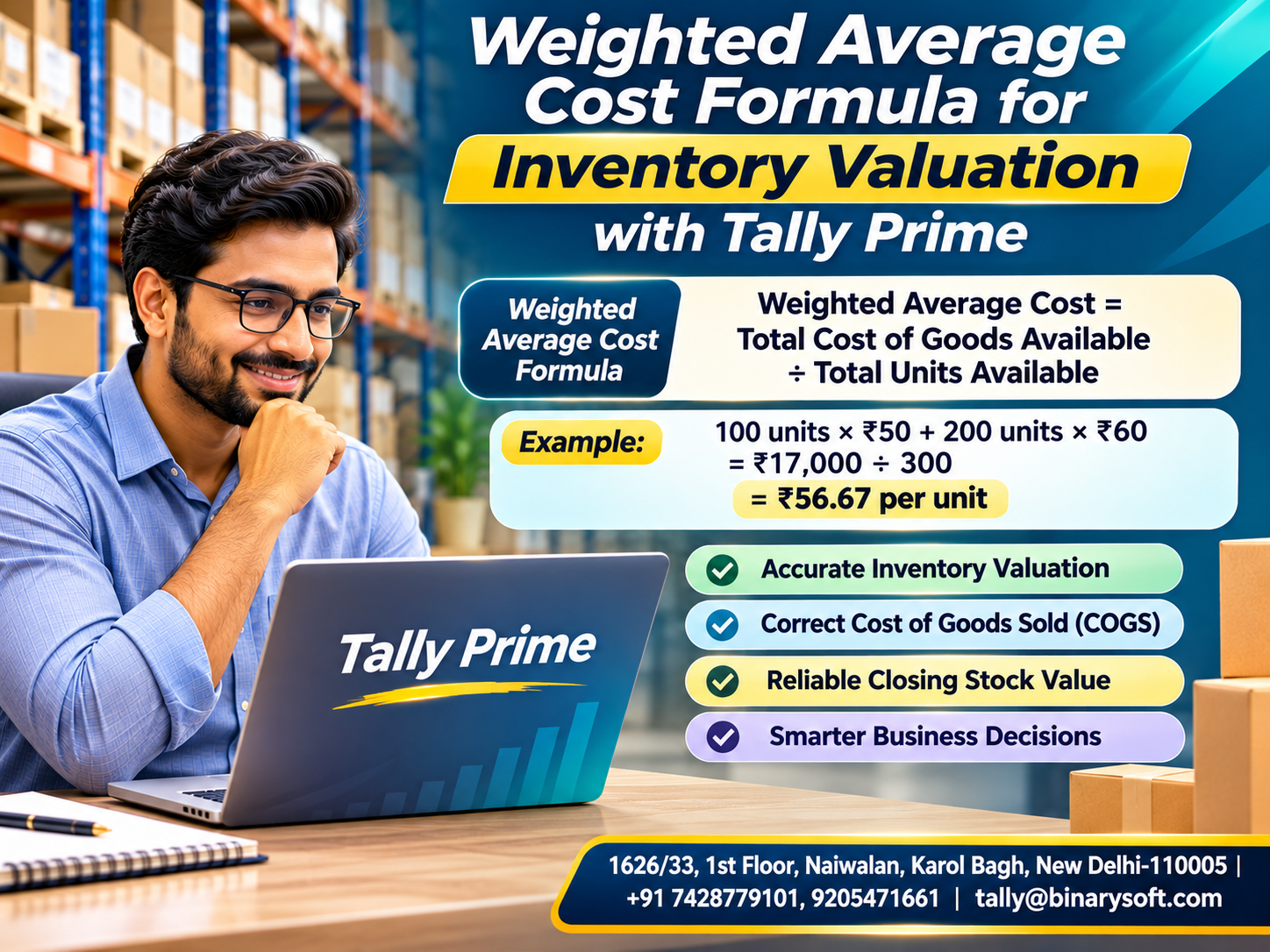
Weighted Average Cost per Unit = Total Cost of Goods Available ÷ Total Quantity of Goods Available
Where:
Total Cost of Goods Available represents the cost of opening inventory plus applicable purchases during the period.
Total Quantity Available represents opening inventory units plus purchased units.
Consider the following example:
| Purchase | Quantity | Rate | Total Cost |
|---|
| First purchase |
100 |
₹50 |
₹5,000 |
| Second purchase |
200 |
₹60 |
₹12,000 |
| Total |
300 |
|
₹17,000 |
Weighted average cost:
₹17,000 ÷ 300 = ₹56.67 per unit, rounded to two decimal places.
This average reflects the quantities purchased at each rate.
The actual unrounded value is ₹56.6667.
3. Weighted Average vs Simple Average
A simple average gives equal importance to each price.
A weighted average considers the quantity associated with each price.
Using the previous example:
Simple average:
(₹50 + ₹60) ÷ 2 = ₹55.
Weighted average:
(100 × ₹50 + 200 × ₹60) ÷ 300 = ₹56.67.
The results differ because the business purchased more units at ₹60.
Using the simple average would ignore that difference.
For inventory valuation, purchase quantities are essential.
Therefore, businesses should not calculate average inventory cost merely by averaging supplier prices.
4. Step-by-Step Weighted Average Calculation
Businesses can calculate weighted average inventory cost through a structured process.
Step 1: Identify Opening Inventory
Determine the opening quantity and its carrying cost.
Step 2: Record Purchases
Identify relevant purchases and their quantities.
Step 3: Determine Applicable Costs
Include costs appropriately attributable to inventory under the relevant accounting policy.
Step 4: Calculate Total Quantity
Add opening units and purchased units.
Step 5: Calculate Total Cost
Add opening inventory cost and relevant purchase costs.
Step 6: Calculate Average Cost
Divide total cost by total quantity.
Step 7: Value Inventory Movements
Apply the average cost according to the selected periodic or moving-average method.
Step 8: Reconcile Closing Inventory
Compare recorded quantities with verified physical stock.
Accurate quantities and purchase costs are essential for reliable results.
5. Periodic Weighted Average Method
Under the periodic weighted average method, the average cost is calculated for the accounting period.
Suppose a company has:
Opening inventory: 100 units costing ₹5,000.
Purchases: 200 units costing ₹12,000.
Total goods available: 300 units costing ₹17,000.
The weighted average cost is approximately ₹56.67.
If 180 units are sold, the cost of goods sold is:
180 × ₹56.6667 = ₹10,200.
Closing inventory consists of 120 units.
Closing inventory value:
120 × ₹56.6667 = ₹6,800.
The amounts reconcile:
₹10,200 + ₹6,800 = ₹17,000.
This example assumes no additional adjustments, losses or write-downs.
6. Moving Weighted Average Method
The moving weighted average method recalculates average inventory cost when new purchases are recorded.
This is commonly associated with perpetual inventory systems.
Suppose a business begins with 100 units costing ₹5,000.
It purchases another 100 units at ₹60 each.
The new average becomes:
(₹5,000 + ₹6,000) ÷ 200 = ₹55.
If 80 units are then sold, their inventory cost is:
80 × ₹55 = ₹4,400.
Remaining inventory:
120 units valued at ₹6,600.
Now suppose the business purchases another 80 units at ₹65.
The updated average becomes:
(₹6,600 + ₹5,200) ÷ 200 = ₹59.
This approach updates the cost as new inventory arrives.
It is important to distinguish moving average from a single period-end weighted average.
7. Why Weighted Average Inventory Valuation Is Important
Inventory valuation affects several important business measurements.
Cost of Goods Sold
The valuation method determines the inventory cost assigned to goods sold.
Closing Stock
Remaining inventory must be assigned an appropriate carrying value.
Gross Profit
Cost of goods sold directly influences gross profit.
Financial Statements
Inventory values affect the Balance Sheet and profitability calculations.
Pricing Analysis
Average inventory costs can provide useful information when reviewing selling prices.
Business Planning
Management can examine how changes in purchase costs affect inventory investment.
Accurate inventory valuation helps business owners understand financial performance more clearly.
8. An Emotional Story: The Distributor Who Discovered His Profit Was Disappearing
Ramesh owned a small electrical goods distribution business in Delhi.
His father had started the company with limited capital and a determination to provide reliable service.
Ramesh expanded the business over fifteen years.
He developed strong supplier relationships and built a loyal customer base.
However, increasing purchase prices created unexpected difficulties.
The same electrical component was purchased at different rates throughout the month.
Ramesh often relied on the latest purchase price when estimating profitability.
Sometimes he used an older rate from memory.
At the end of one quarter, his accountant presented financial results that differed significantly from Ramesh's expectations.
Ramesh became worried.
He had promised his daughter that he would help finance her postgraduate education.
Now he feared that the business was not generating the profit he had anticipated.
That evening, he remained in the office reviewing purchase invoices.
His accountant explained that inconsistent inventory costing made profitability difficult to interpret.
Together, they reviewed the company's stock records and valuation approach.
They established clearer purchase-entry procedures and selected an appropriate inventory valuation policy with professional guidance.
The team also began reviewing stock values and gross profit more regularly.
Gradually, Ramesh gained a clearer understanding of his business performance.
He realized that the biggest problem had not been a lack of effort.
It had been the absence of consistent financial information.
One evening, his daughter found him reviewing a report with a smile.
He told her that he finally understood where the company's money was going.
For Ramesh, accurate inventory valuation was not just an accounting calculation. It was a way to protect his family's plans and regain confidence in the business he had inherited.
This fictional story illustrates why dependable inventory accounting matters.
9. How Tally Prime Supports Inventory Valuation
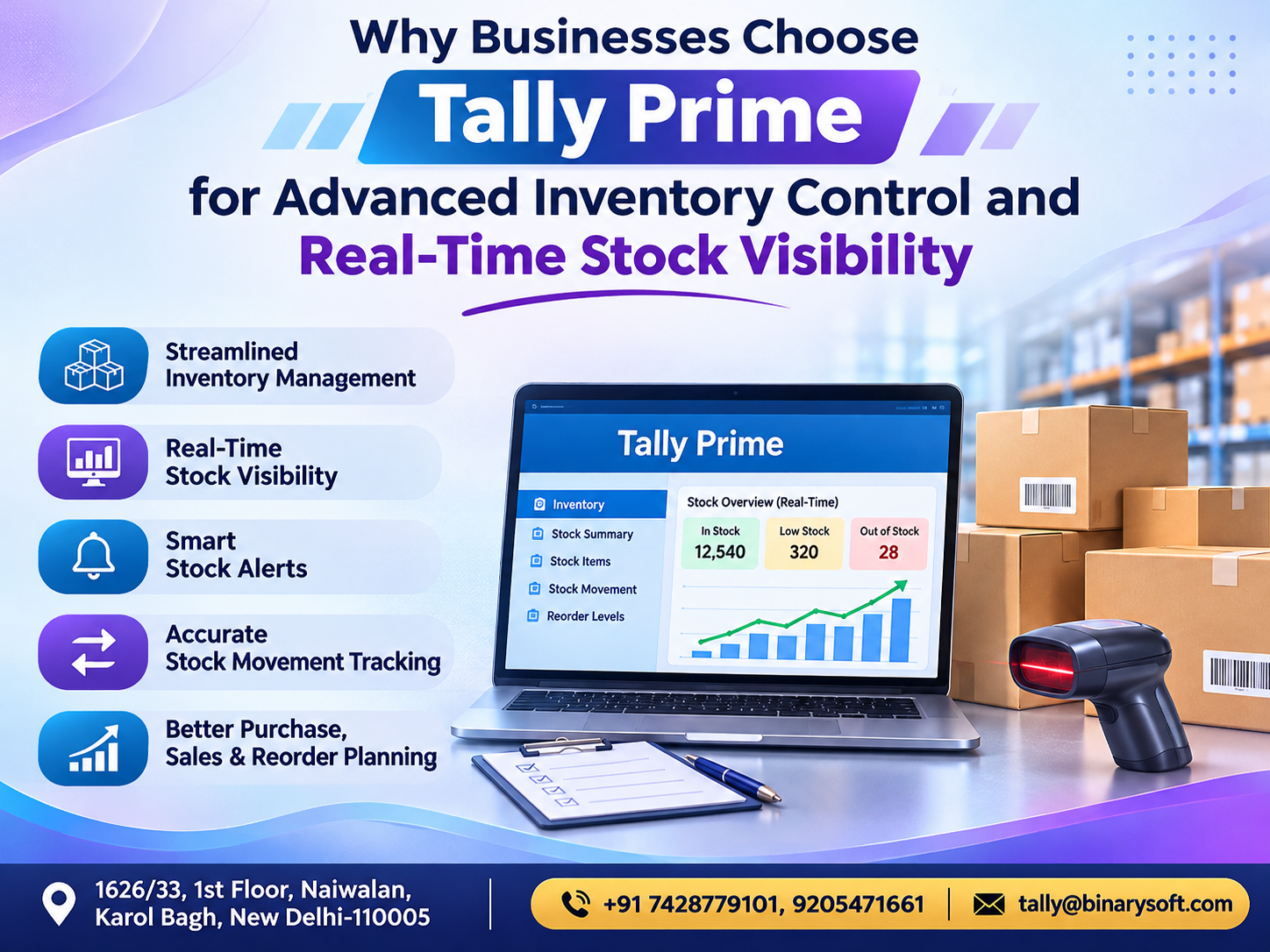
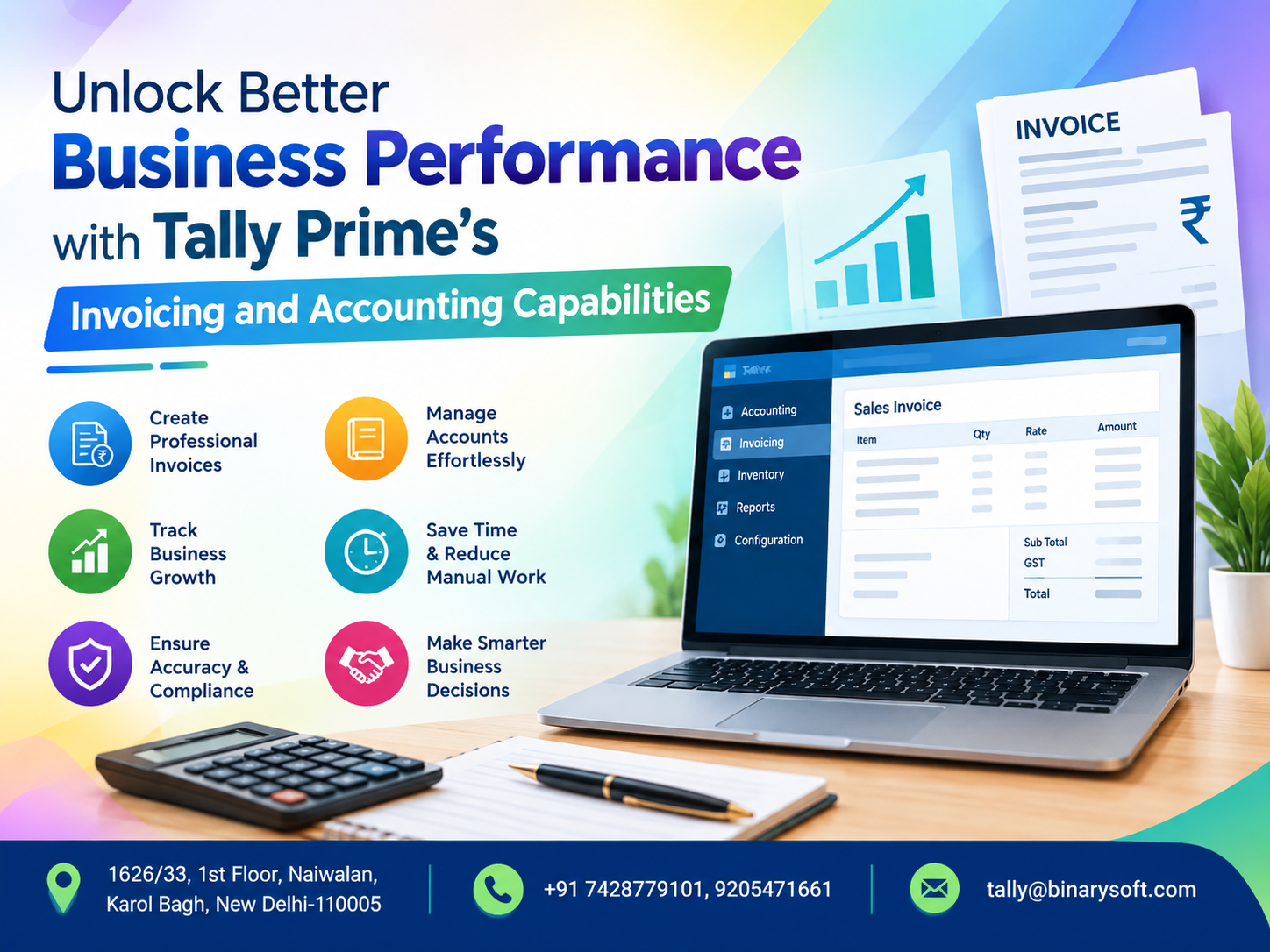
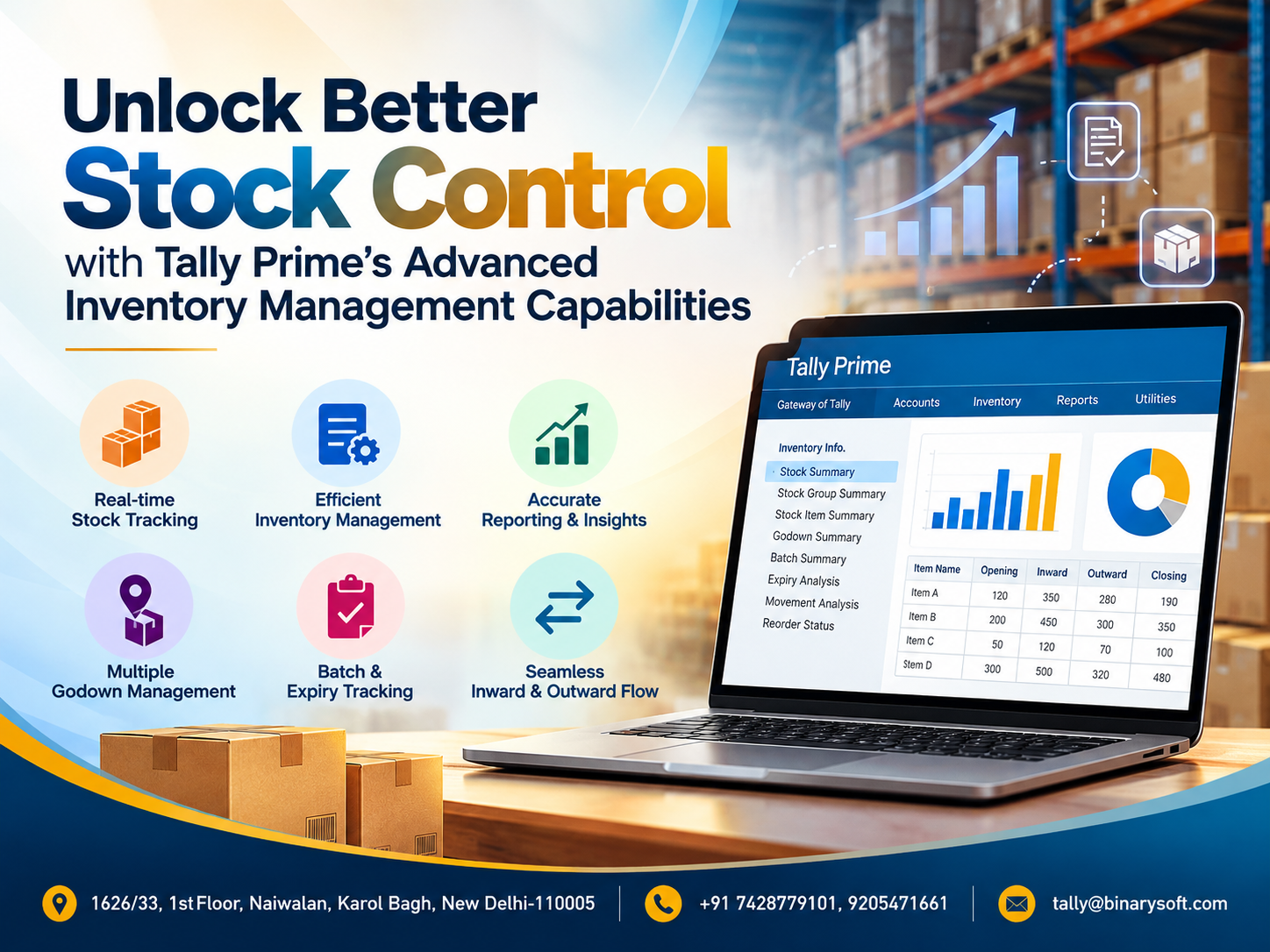
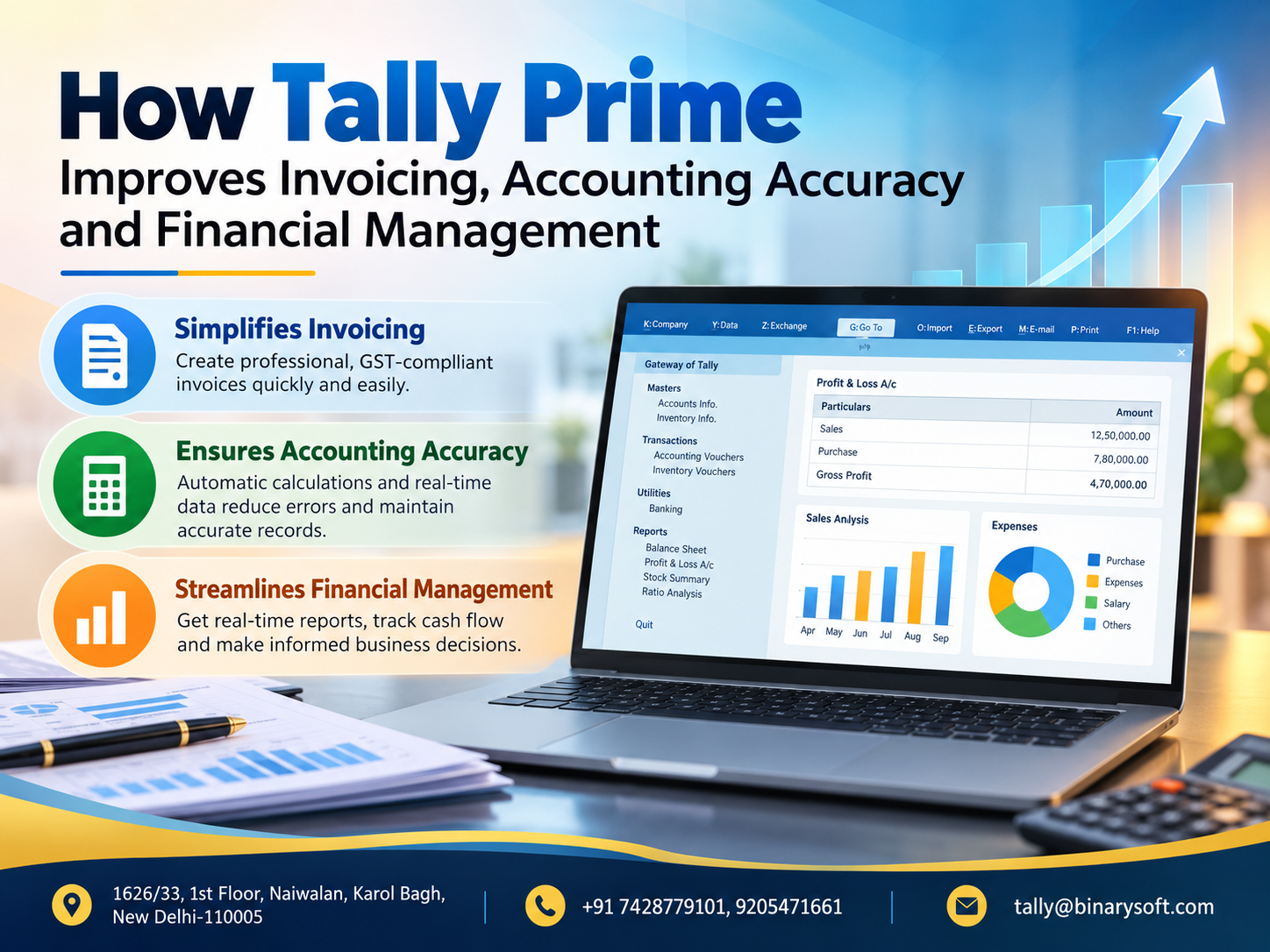
Tally Prime provides inventory accounting features that help businesses maintain stock quantities, purchase costs and inventory values.
Stock Item Management
Businesses can create stock items with appropriate units and classifications.
Purchase Recording
Purchase vouchers help maintain relevant inventory transaction information.
Sales Recording
Sales transactions record inventory movements when configured appropriately.
Inventory Valuation Methods
Supported stock valuation methods include average-cost approaches.
Stock Summary
Stock reports provide information about quantities and inventory values.
Inventory Movement Reports
Businesses can review receipts, issues and other relevant stock movements.
Financial Reporting
Inventory values contribute to financial statements according to the configured accounting setup.
These features help businesses maintain more systematic inventory records.
10. How to Use Average Cost Valuation in Tally Prime
Businesses should configure inventory valuation according to their accounting requirements.
Step 1: Create or Alter a Stock Item
Open the relevant stock item master.
Step 2: Review Item Details
Verify the stock item name, unit of measurement and classification.
Step 3: Locate Valuation Settings
Access the supported stock valuation configuration.
Step 4: Select the Appropriate Method
Choose the applicable average-cost method where available.
Step 5: Save the Stock Item
Review the configuration before saving.
Step 6: Record Purchases
Enter correct quantities, rates and applicable transaction details.
Step 7: Record Sales
Ensure stock movements are recorded accurately.
Step 8: Review Inventory Reports
Examine the Stock Summary and relevant valuation information.
Exact navigation and available settings may vary by software release and configuration.
Businesses should confirm whether the selected valuation behavior matches their accounting policy.
11. Weighted Average vs FIFO Inventory Valuation
FIFO stands for First-In, First-Out.
Under FIFO costing, the earliest inventory costs are assigned first.
Weighted average costing assigns an average cost to interchangeable inventory units.
Consider purchases of:
100 units at ₹50.
100 units at ₹60.
If 100 units are sold, FIFO generally assigns a cost of ₹5,000 to those units.
Under periodic weighted average, the cost would be:
100 × ₹55 = ₹5,500.
The resulting cost of goods sold differs.
Consequently, gross profit and closing inventory values may also differ.
Neither method is automatically best for every business.
The appropriate choice depends on inventory characteristics, accounting standards and business requirements.
12. Case Study One: Weighted Average Costing for a Wholesale Distributor
Illustrative Case Study
Business Background
A wholesale electrical accessories distributor purchases identical items at different rates.
The Challenge
Purchase prices fluctuate frequently.
Management struggles to maintain a consistent approach to inventory costing.
The Approach
The company reviews its accounting policy and adopts an appropriate weighted average valuation method.
Stock masters and purchase transactions are maintained systematically in Tally Prime.
The accounting team reviews inventory reports and reconciles stock periodically.
Expected Outcome
The business can apply a more consistent costing approach and improve visibility into inventory values.
Business Lesson
Reliable inventory valuation depends on accurate transaction records and consistent accounting policies.
13. Case Study Two: Raw Material Valuation in Manufacturing
Illustrative Case Study
Business Background
A furniture manufacturer purchases similar grades of timber at changing prices.
The Challenge
Frequent purchase-price changes make material-cost analysis difficult.
The Approach
The company maintains separate stock items for materials that are not genuinely interchangeable.
For suitable inventory categories, management evaluates weighted average costing with accounting guidance.
Tally Prime is used to record material purchases and relevant inventory movements.
Expected Outcome
The manufacturer can improve consistency in material valuation and financial analysis.
Business Lesson
Weighted average costing is most appropriate when the inventory items within the relevant category are sufficiently interchangeable.
Both case studies are illustrative rather than verified customer results.
14. Advantages of Weighted Average Costing
Reduces Cost Volatility
Average costing smooths the effect of different purchase prices within the relevant inventory pool.
Simplifies Cost Assignment
Businesses do not need to assign a separate historical purchase cost to every interchangeable unit.
Supports Consistency
A clearly defined method helps maintain consistent inventory valuation.
Useful for Bulk Inventory
It can be practical for businesses handling large quantities of similar goods.
Supports Financial Analysis
Consistent cost information improves comparisons between reporting periods.
Suitable for Automated Systems
Accounting applications can calculate average costs using recorded transactions.
These advantages make weighted average costing useful in many inventory-intensive businesses.
15. Limitations of the Weighted Average Method
Despite its benefits, weighted average costing has limitations.
Does Not Reflect Every Purchase Price
The calculated average differs from individual transaction costs.
May Lag Current Market Conditions
Average costs may not immediately reflect recent price changes.
Requires Accurate Quantities
Incorrect stock records can distort the calculation.
Can Conceal Cost Trends
Averages may make sharp changes in supplier prices less obvious.
Depends on Appropriate Grouping
Different products should not be combined merely because they appear similar.
Requires Accounting Compliance
Businesses must apply valuation methods according to relevant accounting requirements.
Management should therefore review purchase-price trends separately from average inventory costs.
16. Weighted Average Cost and Indian Accounting Standards
Indian businesses should consider the applicable financial reporting framework when valuing inventory.
For entities applying Accounting Standard 2, inventories are generally measured at the lower of cost and net realisable value, subject to the standard's requirements.
The standard permits FIFO or weighted average cost formulas for ordinarily interchangeable inventory items.
Entities applying Ind AS 2 must follow the corresponding requirements under that framework.
Weighted average costing determines a cost figure.
It does not eliminate the need to assess whether inventory must be written down to net realisable value.
Businesses should also distinguish inventory valuation for financial reporting from other calculations used for internal management.
Professional guidance is advisable when selecting or changing an accounting policy.
17. Common Weighted Average Calculation Mistakes
Businesses should avoid several errors.
Using Simple Average: Ignoring purchase quantities produces incorrect weighted averages.
Omitting Opening Inventory: Opening quantities and costs must be considered where applicable.
Including Incorrect Costs: Inventory costs should follow the relevant accounting policy.
Mixing Different Products: Only suitable inventory items should be grouped together.
Ignoring Returns: Purchase and sales returns may affect recorded quantities and values.
Using Incorrect Transaction Dates: Moving-average calculations depend on the sequence of relevant transactions.
Failing to Reconcile Stock: Physical discrepancies can undermine inventory valuation.
Regular reviews help identify these problems before they affect financial reporting.
18. Best Practices for Accurate Inventory Valuation
Businesses can strengthen their inventory valuation process through disciplined procedures.
Maintain consistent stock item names and units.
Record purchases promptly with accurate quantities and rates.
Review inventory valuation settings before beginning live operations.
Reconcile physical stock with accounting records.
Monitor purchase-price changes separately from average costs.
Review inventory reports at regular intervals.
Investigate unusual stock values or negative quantities.
Maintain appropriate documentation for adjustments.
Avoid changing valuation methods without evaluating the accounting implications.
These practices help businesses maintain more dependable inventory information.
19. The Future of Inventory Valuation and Business Analytics
Inventory valuation is becoming increasingly connected with digital accounting and business analysis.
Modern systems can help businesses process large transaction volumes and generate inventory reports.
Organizations may also explore analytical tools to identify purchase-price trends and slow-moving products.
However, automated calculations remain dependent on accurate data and appropriate accounting configuration.
For businesses using Tally Prime, consistent inventory records and suitable valuation settings provide a foundation for meaningful financial reporting.
The objective is not simply to calculate inventory values faster.
It is to produce information that management can understand, verify and use responsibly.
Conclusion
The weighted average cost method is a practical inventory valuation technique for businesses handling interchangeable goods purchased at varying prices.
It calculates average unit cost by dividing the total relevant inventory cost by the total available quantity.
The method supports consistent cost assignment, closing stock valuation and financial analysis.
However, businesses must distinguish periodic weighted average from moving average costing and apply the appropriate accounting requirements.
Tally Prime supports inventory accounting through stock masters, purchase and sales transactions, valuation settings and inventory reports.
Accurate results depend on correct data entry, suitable configuration and regular reconciliation.
Effective inventory valuation is not merely about assigning a number to stock. It is about understanding business costs, protecting profitability and making financial decisions with confidence.
Powered by Binarysoft Technologies
Authorized Tally Partner
Binarysoft Technologies helps businesses improve accounting and inventory management through Tally Prime implementation, configuration, customization, technical support and cloud-based accounting solutions.
Our services support retailers, wholesalers, manufacturers and distributors seeking accurate stock records and dependable financial reporting.
Location:
1626/33, 1st Floor, Naiwalan, Karol Bagh, New Delhi – 110005, INDIA
Contact Us:
+91 7428779101, 9205471661
Email:
tally@binarysoft.com
Business Hours:
10:00 AM – 6:00 PM, Monday to Friday
Frequently Asked Questions
What is the difference between periodic and moving weighted average?
Periodic weighted average calculates an average for the reporting period, while moving average updates the cost after relevant new purchases.
Is weighted average costing suitable for manufacturers?
It can be suitable for interchangeable raw materials and other eligible inventory categories, depending on accounting requirements.
Does weighted average cost always equal the latest purchase price?
No. It reflects the relevant inventory costs and quantities rather than only the most recent purchase rate.
What is the best way to maintain accurate inventory valuation?
Use consistent accounting policies, maintain accurate transaction records, reconcile physical stock and review inventory reports regularly.
CA. Tanishq Saraf works with traders and service businesses on GST compliance, ledger scrutiny, and accounting automation. His focus is on simplifying financial processes and improving the quality of business accounting records.